We expand access to knowledge about cells, microbes, and everyday health by building digital learning resources in African Mother Tongues.

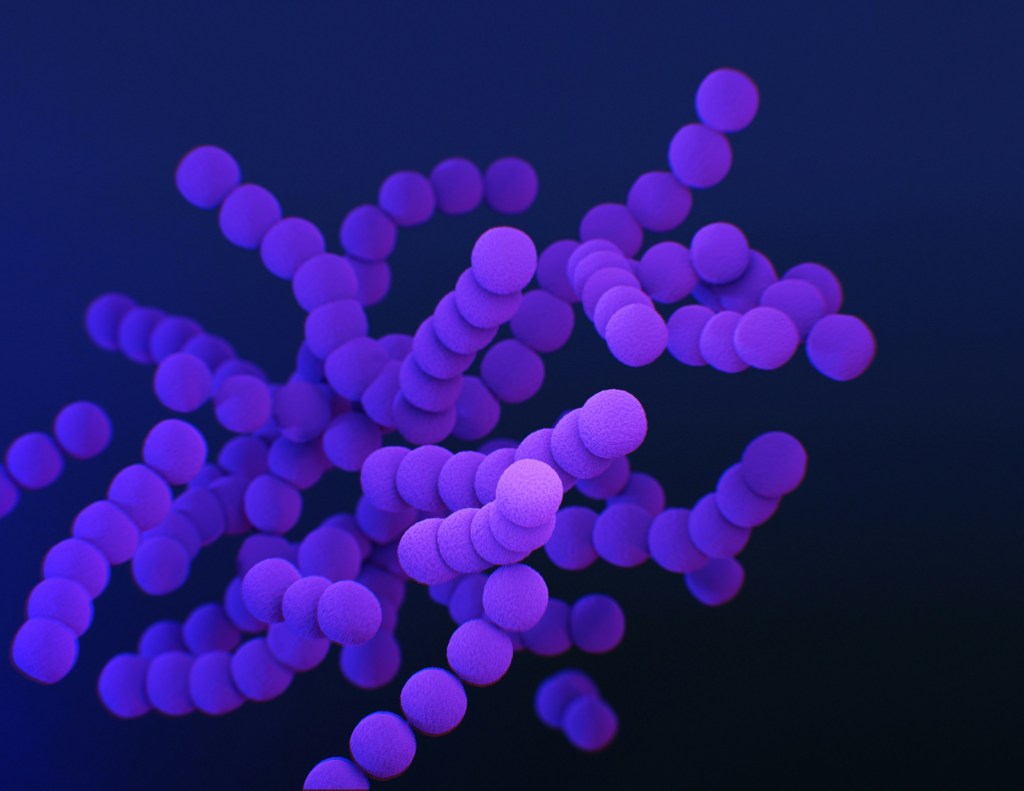
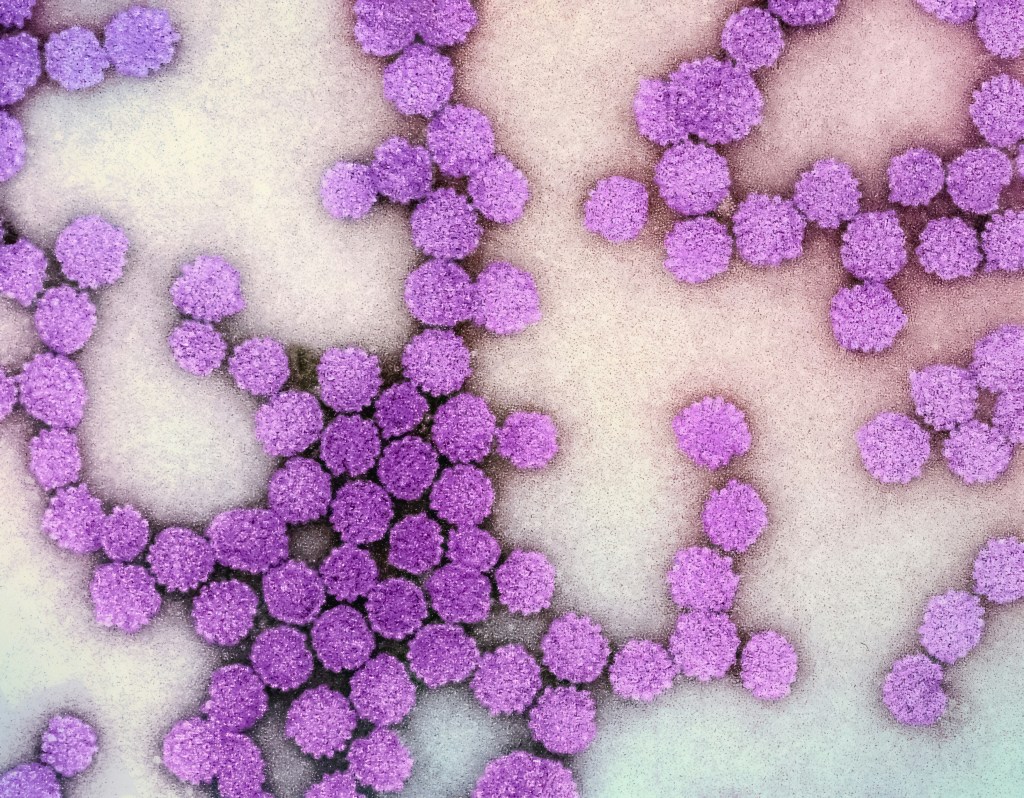
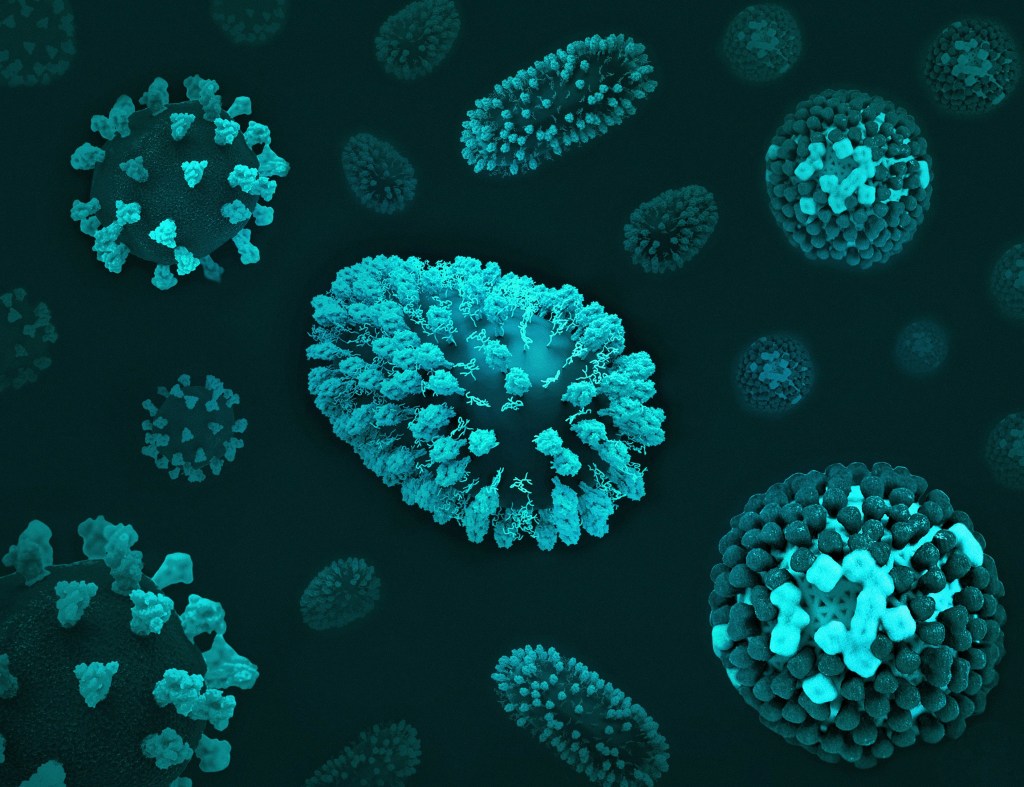
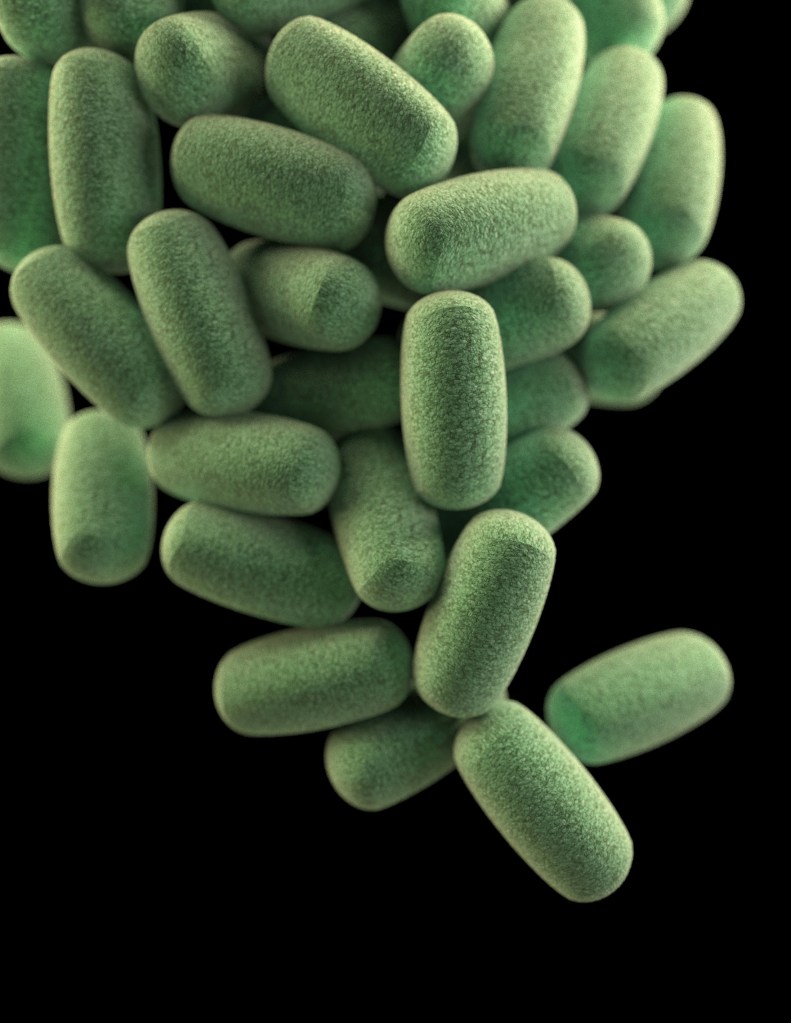
At Tũnyamũ twĩ muoyo (TTM), we facilitate dialogues in African Languages centered around biological cells and the microbes that sometimes infect them. We believe that supporting more dialogue in African mother tongues is an important way to nurture curiosity, appreciation, and understanding of microbial sciences in particular, and science literacy as a whole.

Why we talk about biological cells and the microbes that sometimes infect them:

Our guiding principles:

  • We aim to increase scientific literacy and understanding about our world by increasing dialogues about the microbial sciences in the languages that people speak regularly on the African Continent.
  • Languages hold culture and ways of knowing and understanding the world. Therefore, by making sure that various languages have the capacity and dynamic range to discuss technical scientific information, we increase the dynamic range of understanding in the same breath.

Big picture:

This initiative is not only a “nice-do-gooder” project but a strategic infrastructure upgrade to Kenya’s human capital. By forcing students and technical workforce to process 21st-century science through a legacy linguistic system, we are unwittingly imposing a 30-40% ‘Cognitive Tax’ on national intelligence. According to Cognitive Load Theory (Sweller et al.), a brain forced to decode a foreign language while simultaneously encoding complex scientific principles suffers from significant bandwidth loss, effectively wasting a third of our national investment in STEM education. Our role is to provide a bridge that reduces this systemic friction, aligning scientific delivery with the linguistic reality of the 70% rural majority. We are not ‘helping’ the underserved; we are optimizing the User Interface for an already industrious population, reclaiming lost GDP and ensuring that every Kenyan innovation can scale at the speed of thought.

Nurturing curiosity:

Extensive studies have shown that students learn better and with more agency in languages that they understand. We believe that this principle applies to science engagement as well. Thus, we aim to nurture curiosity and agency about the natural world by empowering people to engage with modern research findings alongside their already existing knowledge in their every-day languages.